Delay When Shifting Into Drive: Causes, Symptoms and Fixes
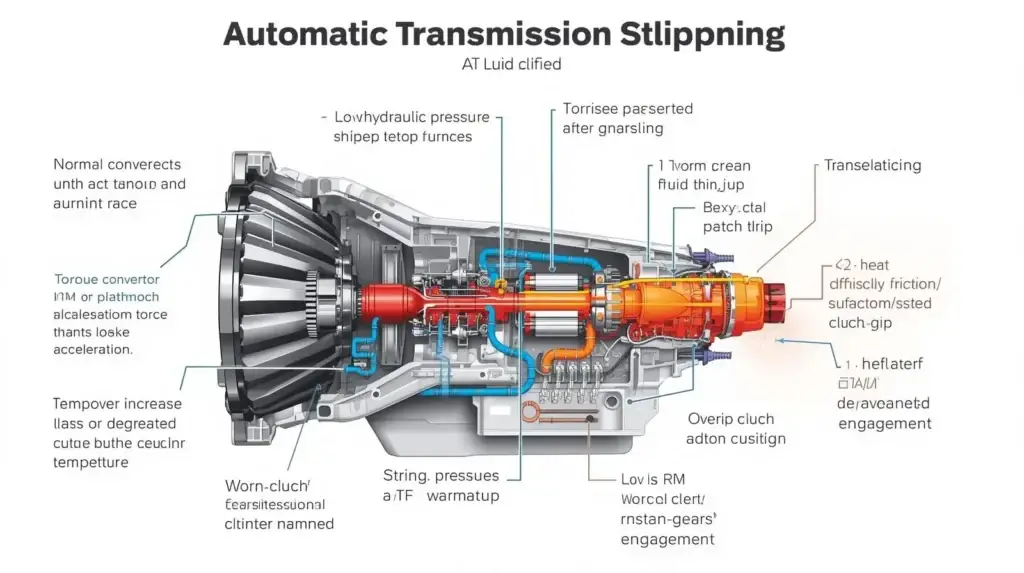
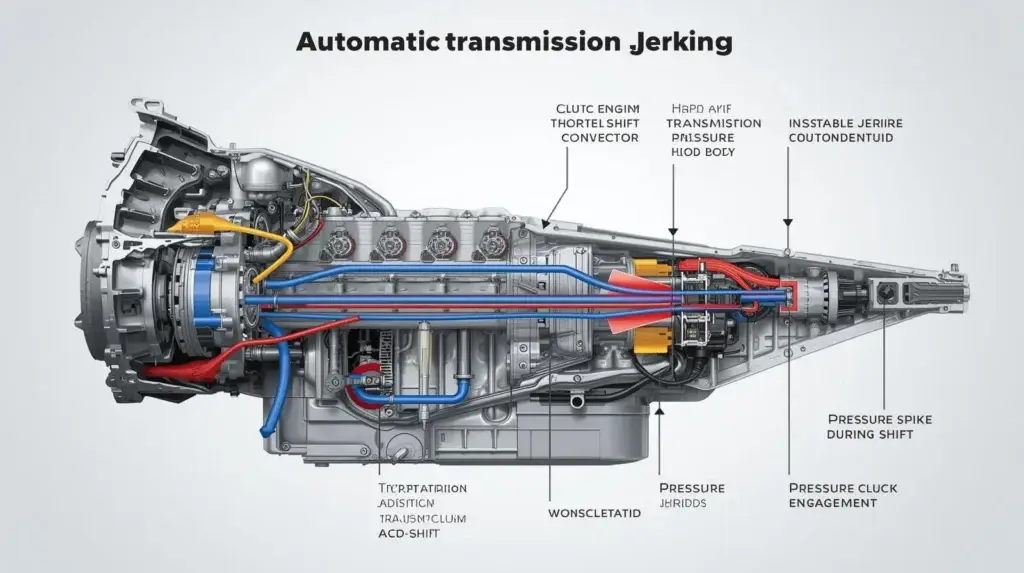
A delay when shifting into Drive usually means the transmission is taking too long to build hydraulic pressure or engage internal clutch packs. Common causes include low transmission fluid, worn seals, valve body problems, clogged filters, failing solenoids, or internal transmission wear. Early diagnosis can prevent more expensive transmission repairs later.
Common symptoms include delayed transmission engagement, hesitation when shifting into Drive, delayed reverse engagement, transmission slipping after engagement, and hard shifting once the gear finally engages. These symptoms often indicate hydraulic pressure loss, fluid-related issues, or internal transmission wear.
Introduction
Delay When Shifting Into Drive is a problem many drivers notice but often ignore because the vehicle eventually moves. The delay may only last a second or two at first, but it is usually a sign that something inside the transmission is no longer working as efficiently as it should.
If left unresolved, a minor engagement delay can develop into harsh shifting, slipping, overheating, transmission warning lights, or even complete transmission failure. Understanding the causes, symptoms, and repair options can help prevent small transmission problems from becoming major expenses.
Why Does This Problem Happen?
In real-world workshop repairs, delayed engagement almost always comes down to one thing: the transmission cannot apply the correct clutch pack quickly enough.
Low transmission fluid is one of the most common causes. When fluid levels drop, hydraulic pressure takes longer to build, causing a noticeable pause before the vehicle moves.
Old or contaminated fluid can create similar symptoms. Dirty fluid loses its ability to flow properly through the valve body and hydraulic circuits.
Worn internal seals are another frequent cause, especially in higher-mileage vehicles. As seals age, pressure leaks internally before the clutch pack can fully engage.
Valve body issues can also cause problems. Sticky valves or worn passages delay fluid flow to the appropriate clutch circuits.
In severe cases, worn clutch packs, damaged torque converters, or internal transmission wear can produce significant engagement delays.
Most Common Causes of Delayed Drive Engagement
Based on real-world transmission repair experience, the most common causes are:
- Low transmission fluid
- Old or contaminated transmission fluid
- Clogged transmission filter
- Worn valve body components
- Failing shift solenoids
- Internal seal leakage
- Torque converter problems
- Worn clutch packs
Fluid-related problems are often repairable at a relatively low cost, while internal wear typically requires more extensive repairs.
What Symptoms Do Drivers Often Ignore?
Many drivers assume a brief delay is normal, especially in older vehicles.
Commonly ignored symptoms include:
- One to three second delay before the vehicle moves
- Slight engine RPM increase before engagement
- Occasional hesitation when selecting Drive
- Delayed reverse engagement
- Mild jerking after engagement
- Inconsistent shift quality
- Transmission slipping after engagement
- Slow acceleration response
These symptoms often appear gradually, making them easy to dismiss.
The problem is that transmission components continue wearing during this period. What feels like a small inconvenience today can become a major transmission repair later.
Delay When Shifting Into Drive Severity Chart
The amount of delay can provide valuable clues about the severity of the problem.
| Delay Time | Possible Condition | Risk Level |
| Less than 1 second | Often normal operation | Low |
| 1–2 seconds | Fluid or pressure issue beginning | Moderate |
| 3–5 seconds | Hydraulic leakage or valve body issue | High |
| More than 5 seconds | Significant internal wear possible | Severe |
A delay that becomes longer over time should always be investigated.
What Early Warning Signs Appear Before Serious Failure?
Most transmissions provide warning signs before major damage occurs.
Sound
- Soft clunk during engagement
- Delayed engagement followed by a sudden thud
- Whining noise from the transmission
- Humming noise during gear selection
Feel
- Vehicle pauses before moving
- Harsh engagement after delay
- Slight shudder when Drive engages
- Jerking during initial movement
Smell
- Burnt transmission fluid odor
- Overheated fluid smell after driving
Performance Changes
- Transmission slow to engage
- Automatic transmission delayed engagement
- Slower gear changes during driving
- Reduced acceleration response
- Occasional slipping between gears
These warning signs often appear months before complete transmission failure.
Does the Delay Occur When Cold or Hot?
The transmission’s operating temperature can help identify the root cause.
Delay Only When Cold
This often indicates:
- Thick or degraded transmission fluid
- Restricted transmission filter
- Worn seals that leak pressure when cold
Delay Only When Hot
This may indicate:
- Internal clutch wear
- Valve body wear
- Hydraulic pressure loss
Delay Both Hot and Cold
Possible causes include:
- Low transmission fluid
- Shift solenoid problems
- Significant internal transmission wear
Knowing when the delay occurs can greatly simplify diagnosis.
Is It Safe to Drive With This Problem?
A small engagement delay may allow temporary driving, but it should never be considered normal.
If the delay is brief and not worsening, short-term driving may be possible while arranging diagnosis.
However, if engagement delays are increasing or accompanied by slipping, harsh shifts, warning lights, overheating, or unusual noises, continued driving can cause significant internal damage.
Every delayed engagement event generates additional heat and wear inside the transmission. The longer the problem continues, the more expensive the repair typically becomes.
How Can This Problem Be Diagnosed Safely?
Several checks can help identify the cause.
Check Transmission Fluid
Inspect:
- Fluid level
- Fluid color
- Burnt odor
- Signs of contamination
- Evidence of leakage
Healthy transmission fluid is usually clean and has a mild odor.
What Transmission Fluid Color Means
| Fluid Color | Condition |
| Bright Red | Healthy |
| Light Brown | Aging |
| Dark Brown | Contaminated |
| Black | Possible internal damage |
| Milky Pink | Coolant contamination |
Burnt-smelling or discolored fluid often indicates overheating or excessive wear.
Observe Engagement Behavior
Pay attention to:
- Delay duration
- Whether the issue occurs hot or cold
- Whether Reverse is also affected
- Whether the delay worsens after driving
When an OBD Scanner Helps
An OBD scanner can be extremely useful for transmission problems.
Common transmission-related codes may indicate:
- Shift solenoid faults
- Pressure control issues
- Torque converter problems
- Transmission temperature concerns
Common Trouble Codes Related to Delayed Engagement
| Code | Meaning |
| P0700 | Transmission Control System Fault |
| P0715 | Input Speed Sensor Fault |
| P0730 | Incorrect Gear Ratio |
| P0740 | Torque Converter Circuit Problem |
| P0750 | Shift Solenoid Malfunction |
| P0868 | Low Transmission Fluid Pressure |
What Owners Should Not Attempt
Avoid:
- Opening transmission components
- Adjusting valve body settings
- Flushing severely damaged transmissions without diagnosis
- Guessing and replacing parts without testing
Modern automatic transmissions are highly sensitive systems that require proper diagnostic procedures.
Quick Diagnosis Guide
A simple diagnostic process can help narrow down the cause.
Low fluid level found
→ Inspect for transmission leaks.
Fluid appears dark or burnt
→ Transmission service and further inspection recommended.
Fluid condition appears normal
→ Scan for transmission fault codes.
No codes present
→ Hydraulic pressure testing may be required.
Pressure below specification
→ Internal seal leakage, valve body wear, or clutch wear may be present.
This process helps avoid unnecessary repairs and replacement of good components.
What Does This Problem Cost If Ignored?
The cost difference between early intervention and delayed repair can be dramatic.
Estimated Repair Costs
| Repair | Typical Cost (USD) |
| Fluid Service | $100–$300 |
| Leak Repair | $150–$600 |
| Transmission Filter Replacement | $200–$500 |
| Shift Solenoid Replacement | $250–$900 |
| Valve Body Repair | $500–$1,500 |
| Torque Converter Replacement | $800–$2,500 |
| Transmission Rebuild | $2,500–$6,000+ |
Addressing the issue early often prevents the need for expensive rebuilding or replacement.
How Can This Problem Be Prevented Long-Term?
Transmission longevity depends heavily on maintenance habits.
Practical prevention includes:
- Follow transmission fluid service intervals
- Repair leaks immediately
- Use the correct transmission fluid specification
- Avoid excessive towing beyond vehicle limits
- Allow the transmission to warm up in extremely cold conditions
- Address minor shifting issues early
- Monitor transmission temperatures when towing
Many transmission failures begin as small hydraulic issues that go untreated for too long.
At What Mileage Does Delayed Engagement Usually Start?
Many delayed engagement problems begin as vehicles accumulate mileage and transmission components wear.
| Mileage | Common Cause |
| 80,000–120,000 miles | Fluid degradation |
| 120,000–180,000 miles | Seal wear |
| 180,000+ miles | Internal clutch and valve body wear |
Maintenance history is often more important than mileage alone.
A well-maintained transmission may operate properly beyond 200,000 miles, while neglected units can develop problems much sooner.
Real-World Repair Experience
In many workshop cases, delayed engagement is first noticed after the vehicle has been parked overnight.
Drivers often report that the transmission hesitates when selecting Drive during cold starts but behaves more normally after warming up. In many of these cases, the underlying issue is degraded transmission fluid, restricted fluid flow, or internal seal wear.
Vehicles that have missed scheduled transmission fluid services commonly develop delayed engagement long before complete transmission failure occurs.
Early fluid inspection and hydraulic pressure testing often reveal the problem before major internal damage develops. Ignoring the issue typically allows wear to continue, eventually leading to slipping, harsh shifting, torque converter damage, or complete transmission failure.
When Is Professional Help Necessary?
Professional diagnosis becomes necessary when:
- Engagement delay exceeds a few seconds
- Check Engine Light appears
- Delayed reverse engagement develops
- Transmission slips while driving
- Burnt fluid is present
- Harsh engagement occurs regularly
- Transmission warning messages appear
- Unusual noises accompany gear selection
A certified transmission specialist should inspect the vehicle when these symptoms appear.
Continuing to drive with worsening delayed engagement can transform a simple hydraulic repair into a complete transmission overhaul.
FAQ Section
The most common causes are low transmission fluid, worn internal seals, or valve body issues. The transmission may need extra time to build hydraulic pressure before applying the clutch pack. This often starts as a minor delay but gradually worsens. Early diagnosis usually prevents more expensive repairs.
Yes. Low fluid levels are one of the most common causes of delayed engagement. Insufficient fluid reduces hydraulic pressure and slows clutch application. Drivers may notice hesitation when selecting Drive or Reverse. Checking fluid condition and level should always be one of the first diagnostic steps.
Not always. Many delayed engagement problems are caused by fluid issues, leaks, solenoids, or valve body faults. However, if the transmission has significant internal wear, rebuilding or replacing it may eventually be necessary. A professional diagnosis is required before assuming the worst.
A Delay When Shifting Into Drive is rarely something that fixes itself. In most cases, the transmission is struggling to build pressure or engage internal components efficiently. Catching the issue early may require nothing more than fluid service or minor repairs. Ignoring it can eventually lead to slipping, overheating, and major transmission work. If the delay is becoming more noticeable or occurs regularly, a proper transmission inspection is the smartest next step.