Whining Noise When Accelerating
A whining noise when accelerating usually comes from a rotating part under load. Common causes include low or contaminated transmission fluid, worn differential gears, failing wheel bearings, power steering issues, or a slipping belt. The sound often changes with speed or throttle. Ignoring it can turn a small wear issue into major drivetrain damage.
Here’s the thing. A whining noise is not random. Cars don’t make that sound unless something is being stressed, starved of lubrication, or wearing out. Many drivers ignore it because the car still moves fine. That’s the mistake. A whine under acceleration is often the first warning before a much bigger failure shows up.
Why does this problem happen?
What actually causes a whining noise when accelerating?
In real-world diagnostics, whining almost always means friction plus load.
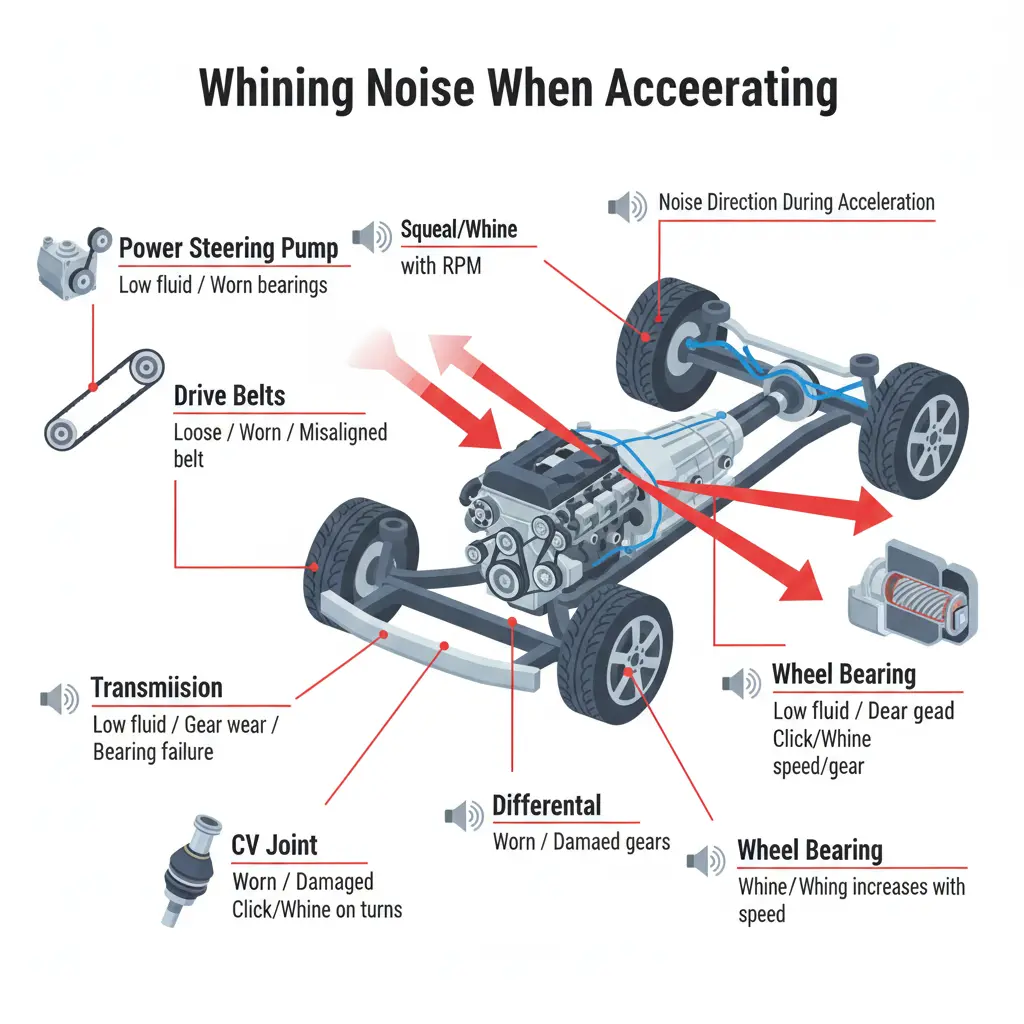
The most common causes I see in the workshop are:
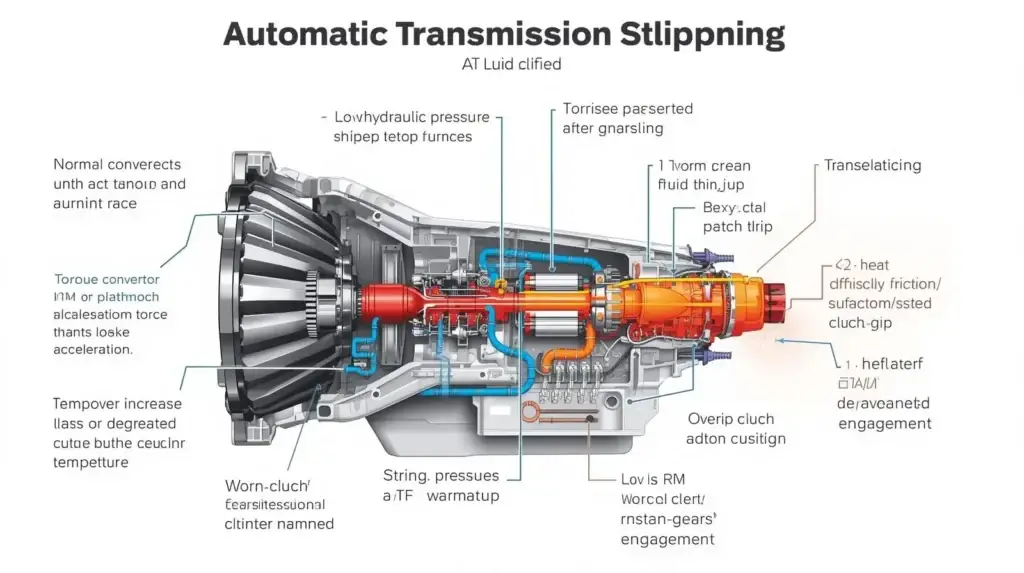
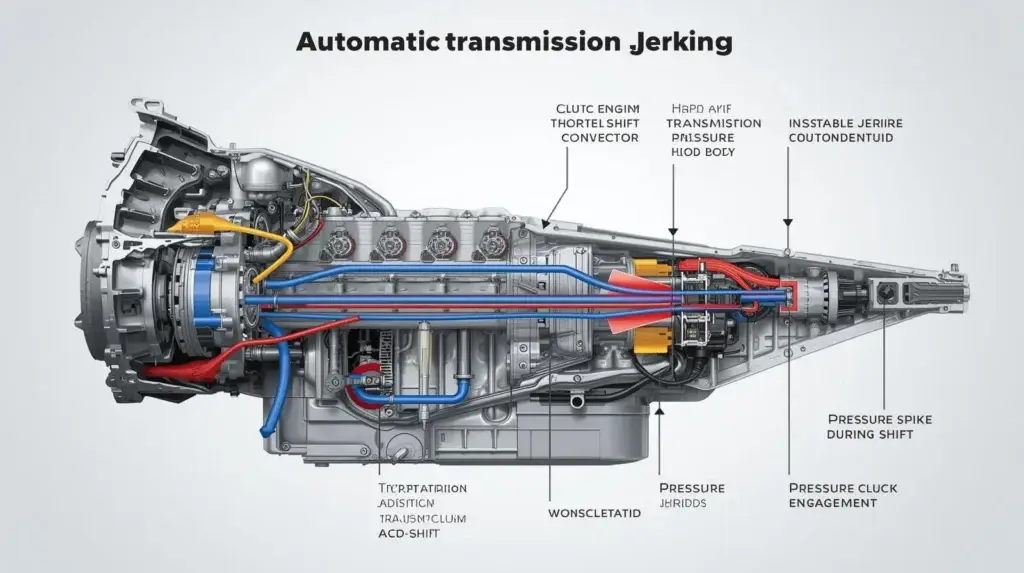
Low or degraded transmission fluid
Automatic and manual transmissions whine when fluid level drops or the fluid breaks down. Under acceleration, internal pumps and gears work harder. That’s when the noise shows up.
Differential or final drive wear
Ring and pinion gears wear slowly. When they do, they whine under load and often quiet down when you let off the gas.
Failing wheel bearings
A worn bearing can whine or hum, especially when accelerating or changing lanes. It often gets louder with speed, not engine rpm.
Power steering pump issues
If the noise changes with steering input or happens more at low speeds, the pump may be low on fluid or internally worn.
Drive belt or pulley problems
A glazed belt or failing pulley bearing can produce a high-pitched whine during acceleration, especially when accessories load up.
Common symptoms people often ignore
Drivers usually dismiss these signs because the car still drives:
- Whining noise only when pressing the gas
- Noise disappears when coasting
- Slight vibration paired with the sound
- Sound changes pitch with speed
- Noise louder after long drives or in cold weather
Ignoring these is risky because the noise rarely stays the same. It almost always gets worse.
Early warning signs you should not ignore
These show up before real damage happens:
- Fluid smells burnt or looks dark
- Delayed shifting or harsh gear changes
- Steering feels heavier than usual
- Noise increases when climbing hills
- Whine turns into a growl or howl
Once the sound changes character, wear has usually accelerated.
Is it safe to drive?
Short answer: Sometimes, but not for long.
If the noise is mild, hasn’t changed, and there are no warning lights, you may be okay for short trips. But if the whining noise when accelerating is getting louder, paired with vibration, or linked to fluid loss, driving becomes a gamble. At that point, damage can escalate fast and costs rise with every mile.
How to diagnose the problem safely
What you can check yourself
- Check transmission and power steering fluid levels
- Look for leaks under the vehicle
- Inspect belts for glazing or cracks
- Listen carefully: does the noise change with speed or engine rpm?
That last one matters. Speed-related noise often points to bearings or differentials. RPM-related noise leans toward engine accessories.
When tools help
An OBD scanner can show transmission temperature and load data, but it won’t directly identify whining noise causes. This is mostly a mechanical diagnosis, not an electronic one.
What not to do
- Don’t keep revving the engine to “test” the noise
- Don’t add random additives to fluids
- Don’t ignore a noise that’s getting louder
Those habits usually turn small repairs into rebuilds.
Cost implications (cheap fixes vs expensive mistakes)
Low-cost fixes if caught early:
- Fluid top-up or fluid change
- Belt replacement
- Power steering service
Expensive outcomes if ignored:
- Differential rebuild
- Transmission overhaul
- Wheel bearing failure damaging hubs or axles
I’ve seen a simple fluid issue turn into a four-figure repair because someone drove “just a little longer.”
How to prevent this problem long-term
- Follow fluid service intervals, not just oil changes
- Check fluids during seasonal maintenance
- Replace worn belts before they slip or glaze
- Pay attention to new noises, even faint ones
- Avoid aggressive driving when fluids are cold
Quiet drivetrains stay quiet because lubrication and load stay balanced.
When professional help is necessary
You should stop diagnosing at home and see a mechanic if:
- The whining noise when accelerating gets louder quickly
- The sound is paired with vibration or heat
- You notice metal flakes in fluid
- The noise persists after fluid correction
- The vehicle struggles to move smoothly
At that point, proper lifts, chassis ears, and experience matter more than guesswork.
FAQ
It usually means a rotating component is under stress. Common sources are the transmission, differential, wheel bearings, or power steering system. The noise appears under load, not at idle.
Yes. Low or old transmission fluid is one of the most common causes. The internal pump and gears whine when lubrication drops.
Not always. Whining is higher-pitched and load-dependent. Humming is usually deeper and speed-related, often pointing to wheel bearings.
Not automatically. Many cases are fluid-related and fixable. But ignoring the noise increases the risk of real transmission damage.
Yes. Thick fluid and cold bearings amplify whining noises. If the sound fades when warm, it’s still a warning sign.
Conclusion
A whining noise when accelerating is your car asking for attention, not panicking. Most causes start small and are manageable if handled early. Listen carefully, check the basics, and don’t wait for the sound to change. Fixing the root cause now almost always costs less than fixing the damage later.